U.S. flag

An official website of the United States government

Dot gov

Official websites use .gov
A .gov website belongs to an official government organization in the United States.

Https

Secure .gov websites use HTTPS
A lock () or https:// means you’ve safely connected to the .gov website. Share sensitive information only on official, secure websites.

Displaying 61 results

Dual Language Learners

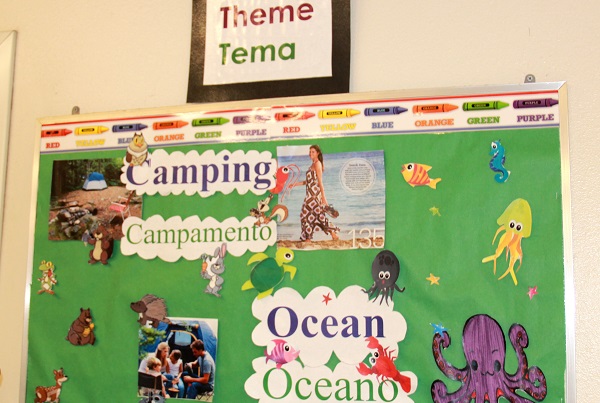
Theme board written in both English and Spanish.These resources offer information and guidance on the needs of children who are acquiring two or more languages at the same time or are learning a second language while developing their first. Besides dual language learner (DLL), other terms that resources may use when referring to these children include bilingual, English language learner (ELL), Limited English Proficient (LEP), English leaner, and children who speak a Language Other Than English (LOTE).

The Policy Statement on Supporting the Development of Children Who Are Dual Language Learners in Early Childhood Programs provides recommendations to early childhood programs that promote the development and learning of young children who are DLLs. It also provides support for language revitalization efforts within tribal early childhood programs.

Find related DLL program assessment resources.

Focus on Book Knowledge and Print Concepts

Learn how to promote the Planned Language Approach's Book Knowledge and Print Concepts in your program. Explore the research and the development trajectory for these skills in children ages birth to 5.

Ready DLL Mobile App

The Ready DLL app offers access to resources and strategies for supporting children who are dual language learners (DLLs). Teachers and caregivers can also learn key words and phrases in seven languages.

Focus on Background Knowledge

Learn ways to build background knowledge in young children—what they know and believe about themselves and the world around them. Explore key research and find out how children ages birth to 5 develop these skills.

Focus on Phonological Awareness

Learn how to use the Planned Language Approach (PLA) to promote phonological awareness for children in your program. Explore the research and the development trajectory for these skills in children ages birth to 5.

HeadStart.gov

official website of the Administration for Children and Families

Looking for U.S. government information and services?
Visit USA.gov