

Income and Spending
Learn to support families' goals around choosing financial products, making and using a budget, accessing public benefits, paying bills, filing taxes, and accessing tax credits.


Official websites use .gov
A .gov website belongs to an official government organization in the United States.

Secure .gov websites use HTTPS
A lock
()
or https:// means you’ve safely connected to the .gov website. Share sensitive information only on official, secure websites.
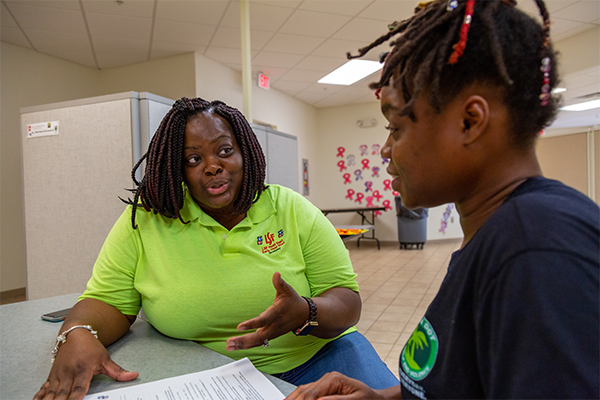 Family goal setting is essential to the work of Head Start programs. It relies on the information that program staff gather through assessments and ongoing communication, such as the families’ strengths, passions, and challenges. As relationships are built and strong partnerships formed, Head Start staff help families set goals and work together to make progress toward those goals.
Successful goal setting is done in seven steps in the context of the Family Partnership Process. Explore these resources to learn more about goal setting with families.
Learn to support families' goals around choosing financial products, making and using a budget, accessing public benefits, paying bills, filing taxes, and accessing tax credits.
Learn how to support families’ goals around building savings, buying a car, buying a home, saving for education, and saving for retirement.
Learn to support families’ goals around accessing and reviewing credit reports and scores, building credit, managing debt and student loan debt, and avoiding predatory loans and identity theft.
Learn to support families’ goals around career pathways, finding a new job, getting a GED or high school diploma, accessing job training, pursuing and paying for college and higher education, or starting a business.
Review action steps, conversation cues, and resources for families to support them in avoiding predatory loans.
Learn about the goal-setting process and review the seven steps for setting and reaching goals with families.
Explore this three-module course to learn about the knowledge, skills, and practices family services professionals need to engage in the family partnership process and goal setting with families.
Strong, healthy families give their children the best chance at success in school and in life. The Family Goal-Setting Guide explores how strong partnerships can positively influence the goals families set in the Family Partnership Process.
What you do and say matters! Explore and practice everyday strategies to develop Positive Goal-Oriented Relationships with a family.
A strong relationship between families and Head Start staff is essential to promoting healthy child development and positive learning outcomes. Strong relationships are rooted in trust and comfort, which you can build by being genuine, sincere, curious about them and their goals, and supporting them as they work toward those goals.

HeadStart.gov
official website of the Administration for Children and Families