

Young Children and Lead in Drinking Water
Learn about the effects of lead on young children and how to prevent exposure in drinking water.


Official websites use .gov
A .gov website belongs to an official government organization in the United States.

Secure .gov websites use HTTPS
A lock
()
or https:// means you’ve safely connected to the .gov website. Share sensitive information only on official, secure websites.
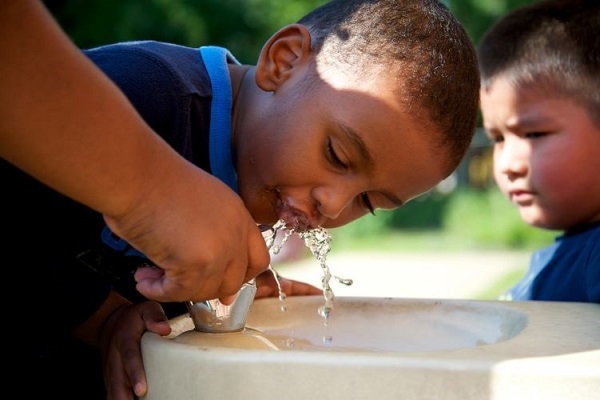 Explore this collection of resources to learn more about preventing lead exposure, reducing lead hazards in the environment, and screening children for elevated lead levels.
Learn about the effects of lead on young children and how to prevent exposure in drinking water.
Hear from Marco Beltran, senior program specialist from the Office of Head Start, about testing water for lead in Head Start facilities.
Head Start programs have a critical role to play in preventing lead poisoning in children. This Information Memorandum highlights available resources for programs to address lead in water specifically.
This tip sheet will answer your questions about what to do if there is lead in your program's drinking water.
A blood lead test is the best way to find out if a child has lead poisoning. Use this resource to understand and meet lead screening guidelines.
This tip sheet describes how to find out if your building has lead paint and how to reduce the risk of lead exposure for children.
Watch this webinar recording to learn where to look for lead, how to test for it, and how to remove lead when you find it.
Use this infographic about Lead exposure to learn how Lead can impact a child's growth and development. Share it with families.
Parents and staff can use this brochure to learn about the effects of unsafe levels of lead in blood and about how to avoid lead exposure.
Review requirements that ensure children are kept safe at all times. This standard addresses safety practices for facilities, equipment and materials, disaster preparedness, hygiene, lead exposure, and more.

HeadStart.gov
official website of the Administration for Children and Families